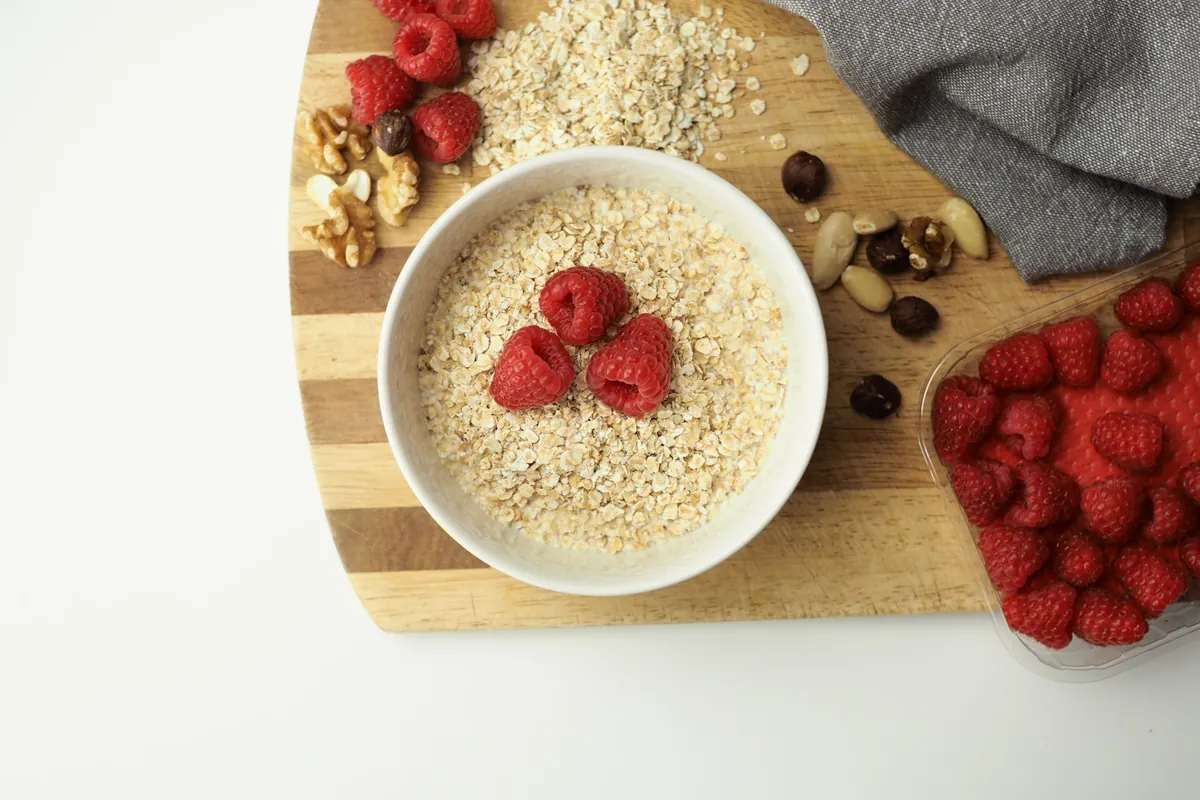
Fiber is a substance in plants, and dietary fiber is the kind you eat. MedlinePlus says that most Americans do not eat enough of it. The same page notes that fiber adds bulk to your diet and helps you feel full faster.
The FDA lists fiber among the nutrients on the label that Americans generally do not get enough of. It also notes that eating a diet high in fiber can increase how often you have bowel movements.
The good news is that small changes add up. This guide covers how much fiber adults need, easy swaps, and how to add fiber comfortably.
How much fiber do adults need?
The NIDDK says that, depending on your age and sex, adults should get 22 to 34 grams of fiber a day. The FDA uses a Daily Value of 28 grams for the Nutrition Facts label.
Because the figures differ, think of them as a range rather than a strict target. MedlinePlus adds that labels may list soluble and insoluble fiber, and that both types have important health benefits.
Fiber is found in plant foods. The NIDDK lists five groups with common examples:
- Whole grains, such as whole wheat bread and pasta, oatmeal, and bran flake cereals
- Legumes, such as lentils, black beans, kidney beans, soybeans, and chickpeas
- Fruits, such as berries, apples with the skin on, oranges, and pears
- Vegetables, such as carrots, broccoli, green peas, and collard greens
- Nuts, such as almonds, peanuts, and pecans
Mixing groups across the day is easier than relying on one food. A bowl of oatmeal, a bean soup, and an apple already cover three groups.
Easy fiber swaps for each meal
You do not need a new menu to add fiber. The CDC suggests starting the day with a whole-grain cereal, like oatmeal, and adding a half-cup of beans or lentils to a salad. Here are more ideas by meal:
- Breakfast: oatmeal with berries and almonds, or whole wheat toast with sliced fruit.
- Lunch: a bean or lentil soup, or a salad with chickpeas and chopped vegetables.
- Snack: an apple with the skin on, a pear, or a small handful of almonds.
- Dinner: whole wheat pasta instead of regular pasta, with broccoli, carrots, or green peas.
- Anytime: a spoonful of seeds or chopped nuts on yogurt, salads, or cereal.
Package claims can be confusing. Look for the word whole at the start of the ingredient list, such as whole wheat or whole oats.
Leaving the peel on is another easy step. The NIDDK lists apples with the skin on as a fiber-rich choice.
Add fiber slowly and drink enough fluids
MedlinePlus advises adding fiber to your diet slowly, because increasing it too quickly can lead to gas, bloating, and cramps. The NIDDK agrees that fiber should be added a little at a time so your body gets used to the change.
A gradual plan can help. Spreading fiber across meals can feel more comfortable than eating a large amount at once. Here is one example:
- Add a fruit or vegetable to one meal each day.
- After a few days, swap one refined grain for a whole grain.
- Next, add beans or lentils to a soup or salad.
- If you feel gas or bloating, hold at your current amount for a few days.
Fluids matter, too. The NIDDK says to drink water and other liquids, such as clear soups, to help the fiber work better.
If you have a digestive condition, or a clinician has given you eating guidelines, ask before making big changes. Fiber needs and comfort can differ from person to person.
Use labels and eating plans as a guide
On the Nutrition Facts label, look for dietary fiber and its %DV. The FDA says that 5% DV or less per serving is considered low and 20% DV or more is considered high.
Use that rule to compare breads, cereals, and snacks. Make sure the serving sizes match before you decide, as the FDA advises.
The NHLBI's DASH eating plan encourages vegetables, fruits, and whole grains. Its 2,000 calorie example includes 6 to 8 servings of grains, 4 to 5 servings of vegetables, and 4 to 5 servings of fruit each day.
It also lists 4 to 5 weekly servings of nuts, seeds, dry beans, and peas. The right number of servings for you depends on your daily calorie needs.
Keep a short list of go-to foods you enjoy. Fiber is easier to add when the foods already taste good to you.
Think of fiber as a long-term habit, not a quick fix. Small, steady changes are easier to keep than a sudden overhaul.