Many adults start paying closer attention to their blood pressure in their 50s and 60s. A routine checkup, a reading on a home monitor or a talk with friends can make the topic feel more personal.
Food is one of the everyday habits that research has linked with blood pressure. This guide explains what large studies have found, which eating habits are associated with healthy readings and how to turn that research into small, realistic changes.
The habits below are small and flexible, with no special foods required. They are meant to be built gradually, alongside the advice of your own healthcare team.
Why eating habits get extra attention after 50
As people get older, blood vessels naturally become thicker and stiffer, and blood pressure tends to rise, according to the National Heart, Lung, and Blood Institute (NHLBI). That is one reason your numbers may get a closer look at routine checkups as the years go by.
The same NHLBI page notes that older adults are among the groups who tend to be more sensitive to salt in their diet. It also lists eating foods that are high in salt and low in potassium as one of the habits linked to higher blood pressure.
Daily life can change, too. MedlinePlus, from the National Library of Medicine, notes that taste and smell can shift with age and that some medicines can change how food tastes or reduce appetite. When meals start to seem bland, it is natural to reach for more salt or for packaged foods with bold flavors, which often carry extra sodium.
What the DASH research found
The NHLBI has funded several studies on an eating pattern called DASH and how it relates to blood pressure. The DASH eating plan centers on vegetables, fruits and whole grains, plus fat-free or low-fat dairy, fish, poultry, beans, nuts and vegetable oils. It limits foods high in saturated fat, along with sugary drinks and sweets.
In the original DASH study, people who followed the DASH pattern had lower blood pressure than people who ate a typical American diet, according to an NHLBI summary of the research. A follow-up study, called DASH-Sodium, compared both ways of eating at high, medium and low levels of sodium.
In that study, the DASH pattern paired with the lowest sodium level was linked to lower blood pressure than the typical American diet at every sodium level. The NHLBI concludes that eating less sodium while following DASH appears more helpful for blood pressure than either change alone. Results describe groups of people, so your own experience may differ.
Build meals around vegetables, fruits and whole grains
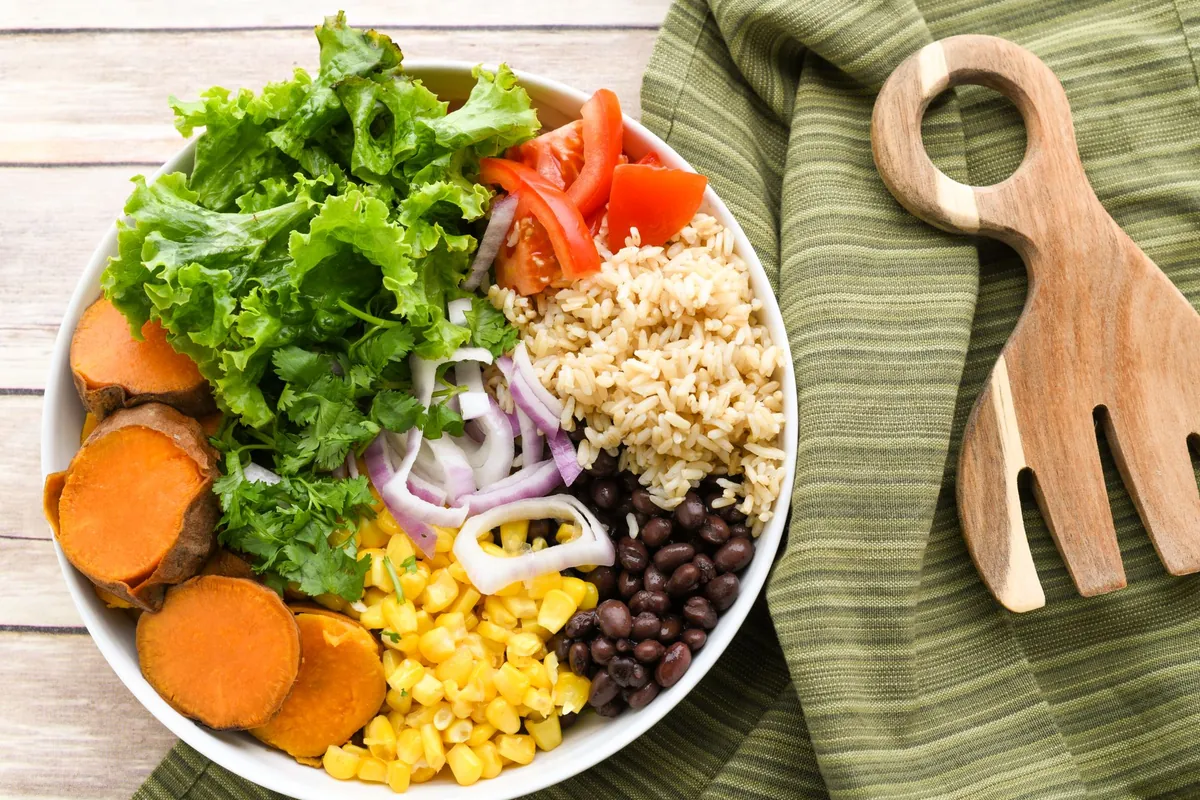
The DASH plan does not call for special foods, which makes it easier to try at home. The NHLBI's DASH guidance suggests choosing foods that are rich in potassium, calcium, magnesium, fiber and protein, and lower in sodium and saturated fat. On a typical day, that can turn into a few simple habits:
- Make vegetables and fruits the biggest part of most meals, in a mix of bright colors.
- Choose whole grains, such as oatmeal, whole-wheat bread and brown rice, in place of refined ones.
- Add beans, lentils or a small handful of unsalted nuts to meals a few times a week.
- Snack on fruit, raw vegetables or plain low-fat yogurt instead of sweets.
- Cook with vegetable oils more often than tropical oils such as coconut or palm oil.
You do not have to change everything at once. Adding one more serving of vegetables at lunch, or switching one daily grain to a whole grain, is a realistic place to start.
Look for sodium where it hides
Most of the sodium in American diets comes from packaged and restaurant food, not from the saltshaker, according to the CDC. Even foods that do not taste salty, such as bread, can add up because people eat them often, the agency notes.
The DASH eating plan sets a daily sodium target of 2,300 mg and notes that 1,500 mg a day is linked to even lower blood pressure. Your healthcare professional can help you decide which target makes sense for you.
A few habits at the store and in the kitchen can make lower-sodium eating easier. The CDC's sodium tips include steps like these:
- Compare Nutrition Facts labels and choose the option with less sodium.
- Look for "low sodium," "reduced sodium" or "no salt added" on packaged foods.
- Buy fresh or frozen vegetables, or canned ones with no salt or sauce added.
- Choose fresh poultry, fish and meat more often than smoked, salted or processed meats.
- Cook rice, pasta and beans from scratch instead of using flavored mixes.
Make room for potassium-rich foods
Potassium is a mineral the body uses to support heart health and normal muscle function, according to MedlinePlus. The CDC describes the DASH plan as high in fruits, vegetables, fiber, potassium and low-fat dairy.
Many everyday foods supply potassium. MedlinePlus lists beans, lentils, tomatoes, potatoes with the skin, sweet potatoes and winter squash, along with fruits such as bananas, citrus, cantaloupe, kiwi, prunes and apricots. Milk, yogurt and nuts are good sources, too.
Small additions count. A bean and vegetable soup made with low-sodium broth, a baked potato with the skin, or yogurt topped with sliced banana can fit these foods into an ordinary day.
More potassium is not right for everyone. MedlinePlus notes that people with kidney problems should not eat too many potassium-rich foods. If you have a kidney condition or another long-term health issue, or you take prescription medicine, ask your healthcare professional how much potassium fits your needs.
Add flavor without leaning on salt
Changes in taste and smell can make lower-sodium meals seem flat at first. MedlinePlus suggests adding color and texture to make food more interesting, and the CDC recommends using less salt when cooking and trying options such as garlic, citrus juice and spices. Here are a few ways to build flavor with less salt:
- Finish vegetables, fish or beans with a squeeze of lemon or lime juice.
- Start soups and sauces with garlic, onion, ginger or peppers.
- Season with herbs such as basil, dill, cilantro or rosemary, fresh or dried.
- Toast spices such as cumin or paprika in a skillet for deeper flavor.
- Add crunch and color with chopped raw vegetables, seeds or a few unsalted nuts.
Making one change at a time, such as using a little less salt in a favorite recipe, can make the shift feel more manageable. The goal is food you still look forward to eating, not a plate that feels like a chore.
Small routines that help habits stick
Eating out is part of life, and a few simple requests can help. The CDC suggests asking for nutrition information before you order, asking that no salt be added to your meal, choosing vegetables or fruit as a side, and splitting a large meal with someone.
Drinks deserve attention, too. The DASH plan limits sugar-sweetened beverages, and the NHLBI lists drinking too much alcohol or caffeine among the habits linked to higher blood pressure. MedlinePlus adds that some people lose their sense of thirst as they age, so keeping water within reach can make it easier to drink enough.
Company can make healthy meals more enjoyable. If you live alone, MedlinePlus suggests potluck meals or cooking with a friend, which can also be a relaxed way to try new recipes.
Planning ahead helps as well. Keeping a short list of go-to meals, with a shopping list to match, makes it easier to skip salty sauces, mixes and instant products.
Keep your healthcare team in the loop
Food is one part of a bigger picture. Eating habits are meant to work alongside the care you already receive from your doctor or nurse, not to replace it.
If you take medicine for blood pressure, keep taking it as prescribed, and talk with your healthcare professional before making big changes to how you eat. It can help to bring a few days of food notes to your next visit, along with any questions about sodium, potassium or alcohol.
Because blood pressure can change over the years, regular checks are worth keeping on your calendar. Your healthcare team can help you understand your readings and choose the habits from this guide that fit your health, your tastes and your budget.
Progress does not need to be perfect. A good next step is to pick one habit from this guide, try it for a while, and add another once it feels routine.