Most of the sodium in American meals does not come from the salt shaker. The FDA says that over 70% of dietary sodium comes from packaged and prepared foods, not from table salt.
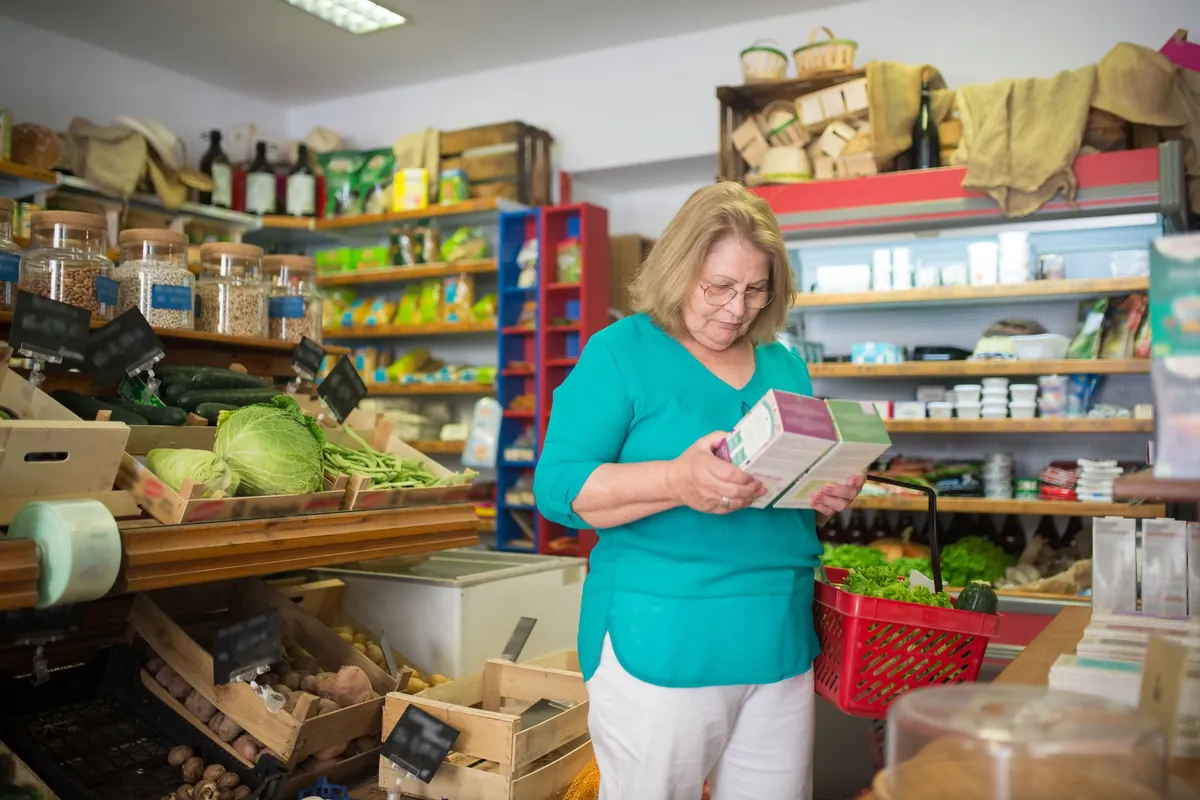
That makes the Nutrition Facts label one of the handiest tools in the store. With a few quick checks, you can compare two foods in under a minute. Here is a simple routine with three steps.
- Check the serving size and how many servings you will eat.
- Read the milligrams and the percent Daily Value for sodium.
- Compare with a similar food and choose the lower number.
Start with the serving size
Most numbers on the label refer to one serving, not the whole package. The FDA explains that the label is usually based on one serving, so you need to check the serving size and how many servings you eat.
According to the FDA, serving sizes are standardized to make it easier to compare similar foods. That means two jars of pasta sauce from different makers are measured the same way, so comparing them is fair. Check the serving line first, because the sodium number only makes sense with it.
Here is a simple example. If a can of soup lists two servings and you eat the whole can, you take in double the sodium shown on the label. The same math applies to cereal, crackers, and frozen meals.
Foods you eat several times a day can add up, too. The FDA notes that bread may not be high in sodium per serving, yet it can add up to a lot of sodium over a full day.
Read the milligrams and the percent Daily Value
Sodium is listed in milligrams (mg), and next to it you will find a percent Daily Value, or %DV. The FDA lists the Daily Value for sodium as less than 2,300 mg per day.
The %DV shows how much sodium in one serving counts toward a full day, which helps you judge a food quickly. According to the FDA, 5% DV or less per serving is considered low, and 20% DV or more is considered high. In the FDA's sample label, a product with 37% DV for sodium counts as high.
Think of that daily figure as a ceiling for most adults, not a goal to reach. Some eating plans aim even lower. The NHLBI notes that a limit of 1,500 mg per day is linked with an even larger drop in blood pressure than 2,300 mg.
MedlinePlus adds that some people are more sensitive to salt and should eat less, including adults over age 50 and people with certain health conditions. Your own limit may differ from the general figure.
Know the label claims and where sodium hides
Phrases on the front of a package are not just marketing. The FDA defines what each sodium claim means, and the list below covers the most common ones.
- Sodium-free: less than 5 mg per serving
- Very low sodium: 35 mg or less per serving
- Low sodium: 140 mg or less per serving
- Reduced sodium: at least 25% less than the regular product
- No salt added: no salt is added during processing, but the food may still contain sodium
Notice that reduced sodium is a comparison, not a promise of a low number. A reduced sodium soup can still show a high %DV, so the Nutrition Facts panel is worth a quick look.
Knowing where sodium hides makes label reading faster. The CDC says most sodium comes from processed and restaurant foods, and that sodium in everyday foods adds up.
For adults, the CDC lists deli meat sandwiches, pizza, and chicken nuggets and tenders among the top sources. Soups, breads, cheese, and pasta dishes also show up on the list.
Build simple habits at the store
You do not have to check everything on every trip. Start with the foods you buy most often, such as bread, soup, sauces, and snacks. The FDA's tips for lowering sodium include these easy habits:
- Compare two similar products and choose the one with the lower %DV for sodium.
- Buy vegetables that are fresh, frozen without sauce, or canned with low sodium or no salt added.
- Rinse canned beans, tuna, and vegetables before eating, which removes some of the sodium.
- Use herbs, spices, and seasoning blends without salt in place of table salt.
- At restaurants, ask for sauces and dressings on the side.
Small changes add up over a week of meals. Choosing one lower sodium swap per trip is a realistic start.
Label reading works alongside medical care, not in place of it. If you take medicine for blood pressure, keep taking it as directed, and ask your clinician or a dietitian what sodium target fits your health.