Potassium is a mineral that helps your nerves work and your muscles contract. It also helps your heartbeat stay regular, according to MedlinePlus.
The CDC says most Americans eat too much sodium and too little potassium. The good news is that many everyday foods contain potassium. This guide shows which ones, and how to fit them into meals.
Potassium works best as part of an overall eating pattern. No single food does the job alone, and needs differ from person to person.
Where potassium shows up in everyday foods
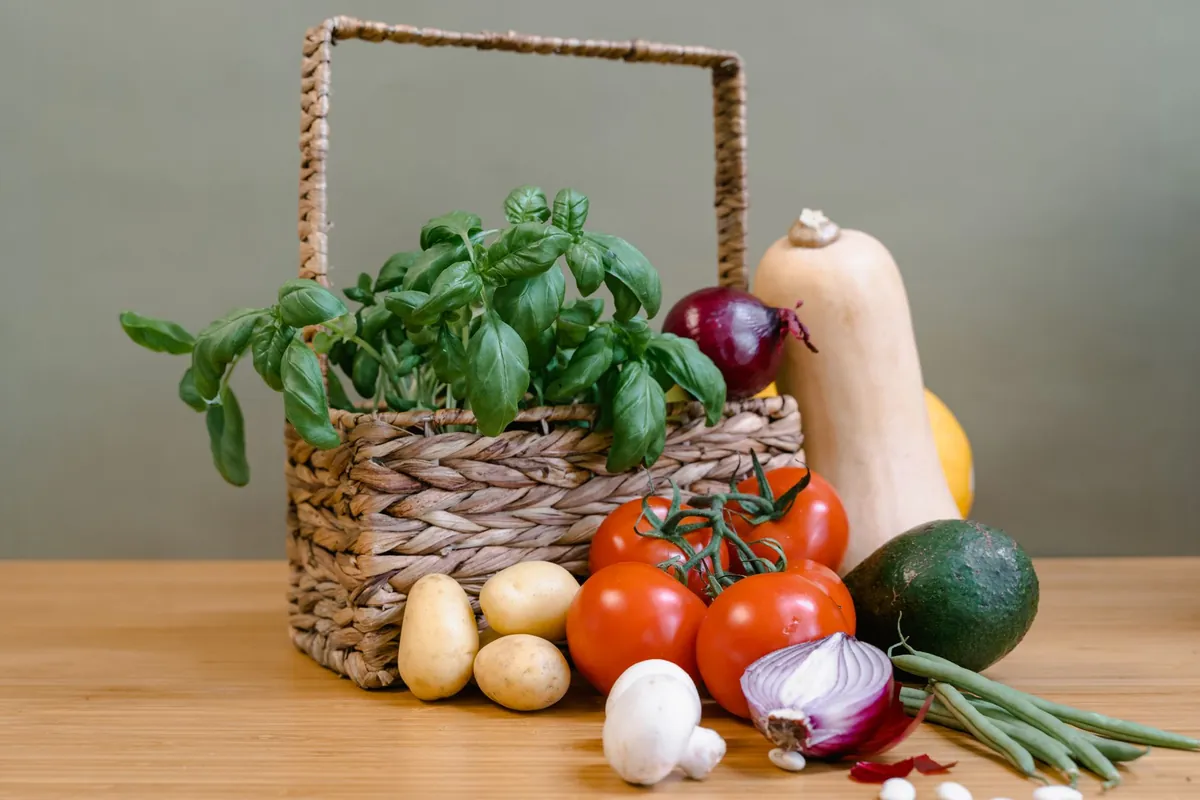
The CDC notes that most potassium in our diet occurs naturally in vegetables, fruit, seafood, and dairy products. MedlinePlus names beans, lentils, tomatoes, potatoes with the skin, sweet potatoes, and winter squash as good sources.
Fruit has plenty of options, too. MedlinePlus lists bananas, citrus fruits, cantaloupe, kiwi, prunes, and apricots, and adds that dried apricots contain more potassium than fresh apricots.
Leafy greens and root vegetables count as well. MedlinePlus includes spinach and collards, along with carrots, potatoes, oranges, grapefruit, grapes, and blackberries.
Dairy foods, nuts, and fish also contribute. MedlinePlus lists milk, yogurt, nuts, and fish such as salmon, cod, flounder, and sardines.
You do not need special recipes to use these foods. Try spreading them across the day, as in this example:
- Breakfast: a banana or an orange, or yogurt topped with fruit.
- Lunch: beans or lentils in a soup, salad, or wrap.
- Snack: grapes, cantaloupe, or a small handful of unsalted nuts.
- Dinner: a baked potato or sweet potato with the skin on, plus cooked spinach or broccoli.
- Anytime: leafy greens such as spinach or collards in eggs, soups, or pasta.
How much potassium do adults need?
MedlinePlus lists 2,600 mg a day for women and 3,400 mg a day for men who are 19 and older. The Nutrition Facts label uses a single Daily Value of 4,700 mg, according to the FDA.
Because the numbers differ, use the %DV as a rough guide rather than a personal target. The FDA says that 5% DV or less per serving is considered low and 20% DV or more is considered high. Use it to compare foods with the same serving size.
The NHLBI's DASH eating plan suggests 4 to 5 servings of vegetables and 4 to 5 servings of fruit a day on a 2,000 calorie plan. Your own needs may differ.
Here is a quick routine for the store. Try these checks on foods you buy often:
- Find potassium on the label and note its %DV.
- Compare two similar foods and pick the one with the higher potassium %DV.
- Check the sodium line at the same time, and favor the lower number.
Why potassium and sodium work as a pair
Sodium and potassium are both electrolytes. The CDC explains that your body needs them for hydration, blood volume, and the work of your nerves and muscles.
MedlinePlus notes that a diet rich in potassium can help offset some of sodium's effects on blood pressure. That is one reason many eating plans pair potassium-rich foods with less sodium.
The NHLBI's DASH eating plan is one example, and it sets a sodium limit of 2,300 mg per day. Its foods are rich in potassium, calcium, magnesium, fiber, and protein.
The CDC notes that most sodium in our diets comes from packaged and restaurant food. Choosing whole foods such as fresh fruit, plain cooked beans, and baked potatoes can bring more potassium and less sodium to the same meal.
Small swaps can help you pair the two. Here are three to try:
- Choose unsalted nuts instead of salted snacks.
- Pick a baked potato over fries or chips.
- Add beans or spinach to soup instead of extra salt.
Who should talk with a clinician first
Potassium needs are not the same for everyone. MedlinePlus explains that the kidneys help keep the right amount of potassium in the body. With chronic kidney disease, the kidneys may not remove extra potassium from the blood.
The NIDDK says that people with kidney problems should work with a dietitian or health care professional to find the right amount of potassium for them. Ask before adding a lot of potassium-rich foods to your meals.
Some medicines can also change potassium levels. MedlinePlus says some heart and blood pressure medicines, including ACE inhibitors, ARBs, and potassium-sparing water pills, may raise potassium in the blood.
If you take any of these medicines or have a kidney condition, talk with your clinician before changing how much potassium you eat. Keep taking your medicines as directed. The ideas here are for general healthy eating, not personal medical advice.